From Tokyo to Berlin, VMFi is Transforming the Multilingual Communication Landscape.
BERLIN and TOKYO, Aug. 21, 2026 /PRNewswire/ -- As the world gathers for IFA 2026, VMFi is poised to redefine how we connect across languages. Headquartered in Tokyo and powered by a cutting-edge AI team in Taiwan, VMFi has a clear vision: turning multilingual communication into tangible value.
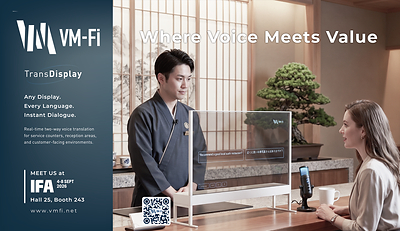
At the heart of this transformation is TransDisplay, an all-in-one, plug-and-play translation solution. The TransDisplay T30 model is an elegantly simple combination of a transparent screen and a highly precise directional microphone. However, beneath that simplicity lies power – the power to preserve the warmth of human interaction by allowing users to maintain natural eye contact while reading real-time, accurate AI-driven translations.
From airports to government offices, VMFi is already revolutionizing cross-culture communication. The power of this technology is rooted in "True Inclusiveness." True Inclusiveness is about more than providing special accommodations for particular groups; it is about ensuring the availability of essential services to everyone.
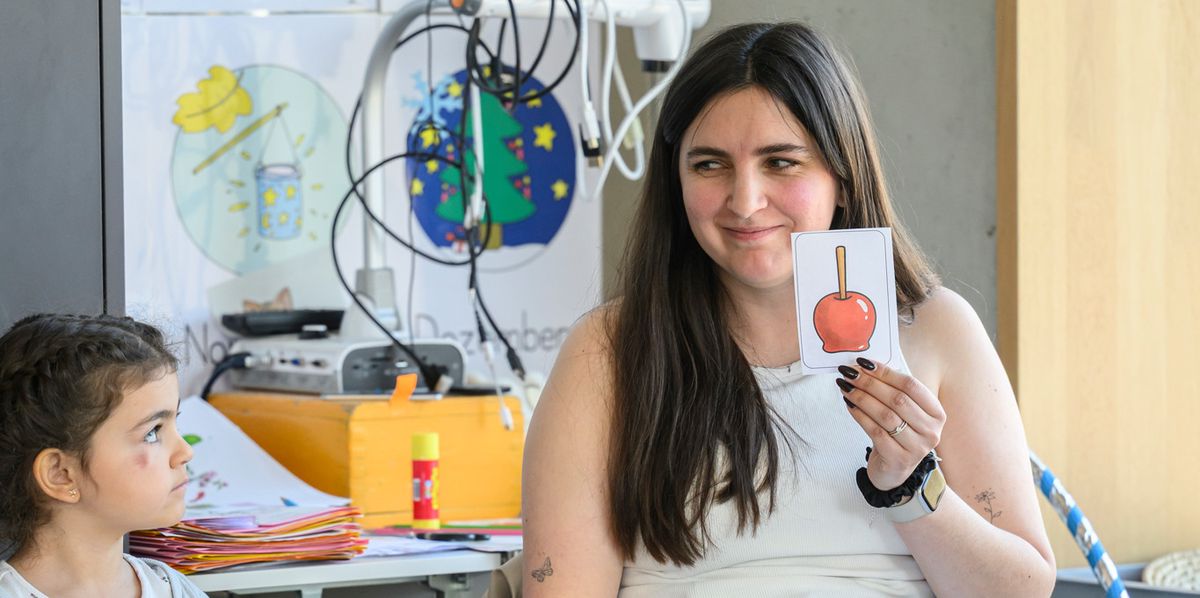
Language barriers often cause anxiety and prevent individuals from accessing key public services. What's more, real-world communication relies heavily on conveying and comprehending nuance. For highly impactful consultations regarding pregnancy, childbirth, and childcare, accurate information is crucial. Yet, creating a safe, empathetic space where residents feel secure enough to speak on such sensitive topics is equally vital. Recognizing this, the Ōme City Government in Tokyo recently deployed TransDisplay at its "Children and Family Center." VMFi's solution ensures that language is no longer a barrier to comfortably requesting and receiving essential public support, regardless of nationality or cultural affiliation.
Beyond inclusiveness, voice AI privacy and security remain VMFi's top priorities. VMFi will unveil TransEdge at IFA, the world's first real-time AI multilingual communication processed completely on edge. This makes it perfect for clients requiring strict security. From public security to finance, VMFi ensures every voice is heard and understood in compliance with GDPR.
Beyond these milestone applications, VMFi's TransDisplay is actively deployed across transit hubs, including TPE and TSA airports, train stations, and major metro stations like Taipei101. VMFi's global footprint has expanded even further as a result of its participation in the "Be Smart Tokyo Inclusive" program run by the Tokyo Metropolitan Government, and its vital role in making one of the world's largest cities more accessible to all.
Visit VMFi at IFA Hall25, Booth243 or contact pr@vmfi.net to see how we are unleashing the power of native language communication.
 View original content to download multimedia:https://www.prnewswire.co.uk/news-releases/from-tokyo-to-berlin-vmfi-is-transforming-the-multilingual-communication-landscape-302852636.html