KuCoin EU Appoints Hongyu Chen-Birkenbeul as Managing Director to Drive Technology, Product and Operational Excellence
VIENNA, Aug. 11, 2026 /PRNewswire/ -- KuCoin EU, the MiCAR-licensed digital asset platform headquartered in Vienna, today announced the appointment of Hongyu Chen-Birkenbeul as Managing Director, further strengthening its executive leadership team as the company continues to scale its regulated operations across Europe.
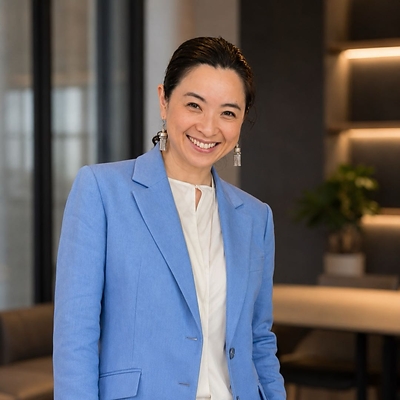
Hongyu brings nearly 20 years of international consulting and senior leadership experience spanning strategy and governance, business and IT transformation, cybersecurity, regulatory compliance, and digital innovation. Throughout her career, she has successfully led large-scale international transformation programmes, built high-performing multicultural teams, and delivered complex technology initiatives for global organisations.
As Managing Director at KuCoin EU, Hongyu will oversee the company's Technology, ICT Security & Compliance, and Product & Operations functions. She will lead the continued development of KuCoin EU's technology platform, drive product innovation and operational excellence, and strengthen the company's digital operational resilience in support of its long-term growth and regulatory objectives.
Prior to joining KuCoin EU, Hongyu spent a decade at PwC Germany, where she advised clients on cybersecurity and regulatory compliance. She also led the firm's Technology Alliances strategy and operations, driving strategic partnerships, governance frameworks and cross-functional collaboration across technology ecosystems.
Earlier in her career, Hongyu led rollouts of SAP transformation programmes, supported the growth of technology start-ups, and established governance frameworks enabling secure, scalable and sustainable business growth across international organisations.
Sabina Liu, Managing Director, KuCoin EU said: "Building a trusted digital asset platform requires more than regulatory compliance—it demands resilient technology, operational excellence and continuous innovation. Hongyu brings a unique combination of strategic leadership, technical expertise and international transformation experience that will be instrumental as we continue to strengthen our platform and expand our regulated business across Europe."
Commenting on her appointment, Hongyu Chen-Birkenbeul said: "Europe is setting a new benchmark for regulated digital assets, creating exciting opportunities to build innovative products on a strong foundation of trust, resilience and governance. I'm delighted to join KuCoin EU at this important stage of its growth and look forward to working with the team to deliver technology and products that meet the highest standards of security and operational excellence."
The appointment forms part of KuCoin EU's broader strategy to strengthen its executive leadership with experienced professionals from international consulting, technology and financial services. As the company continues to grow under the Markets in Crypto-Assets Regulation (MiCAR), KuCoin EU remains focused on building a secure, resilient and customer-centric digital asset platform for users across Europe.
About KuCoin EU
KuCoin EU Exchange GmbH is a licensed European entity established to offer digital asset services to users across the European Economic Area (EEA"*" except Malta). Authorized as a Crypto-Asset Service Provider (CASP) under the Markets in Crypto-Assets Regulation (MiCAR) with the Austrian Financial Market Authority (FMA), KuCoin EU is approved to provide regulated services, including custody and administration of crypto-assets, crypto-asset exchange services (crypto–fiat and crypto–crypto), the placing of crypto-assets, and transfer services on behalf of clients.
Headquartered in Vienna, KuCoin EU operates in accordance with the applicable EU regulatory framework, including MiCAR requirements around transparency, market integrity, and investor protection.
KuCoin EU is not the operator of a crypto-asset trading platform and does not provide investment advice.
Website: www.kucoin.eu
 View original content to download multimedia:https://www.prnewswire.co.uk/news-releases/kucoin-eu-appoints-hongyu-chen-birkenbeul-as-managing-director-to-drive-technology-product-and-operational-excellence-302848318.html